



DNA Methyltransferase
DNMTs; DNA MTases
DNA methyltransferases (DNMTs) are a family of “writer” enzymes responsible for DNA methylation that is the addition of a methyl group to the carbon atom number five (C5) of cytosine. Mammalians encode five DNMTs: DNMT1, DNMT2, DNMT3A-DNMT3B (de novo methyltransferases), and DNMTL. DNMT1, DNMT3A, and DNMT3B are the three active enzymes that maintain DNA methylation. DNMT3L has no catalytic activity and functions as a regulator of DNMT3A and DNMT3B, whereas DNMT2 acts as a tRNA transferase rather than a DNA methyltransferase.
DNA methylation is a vital modification process in the control of genetic information, which contributes to the epigenetics by regulating gene expression without changing the DNA sequence. In prokaryotes, DNA methylation is essential for transcription, the direction of post-replicative mismatch repair, the regulation of DNA replication, cell-cycle control, bacterial virulence, and differentiating self and non-self DNA. In mammalians, DNA methylation is crucial in many key physiological processes, including the inactivation of the X-chromosome, imprinting, and the silencing of germline-specific genes and repetitive elements.
DNA Methyltransferase Isoform Specific Products
All Product Categories
-
DNA Methyltransferase Related Products (147)
Related Products (147)

-
Antibodies (11)
-
DNA Methyltransferase Isoform Comparison
-
DC_517
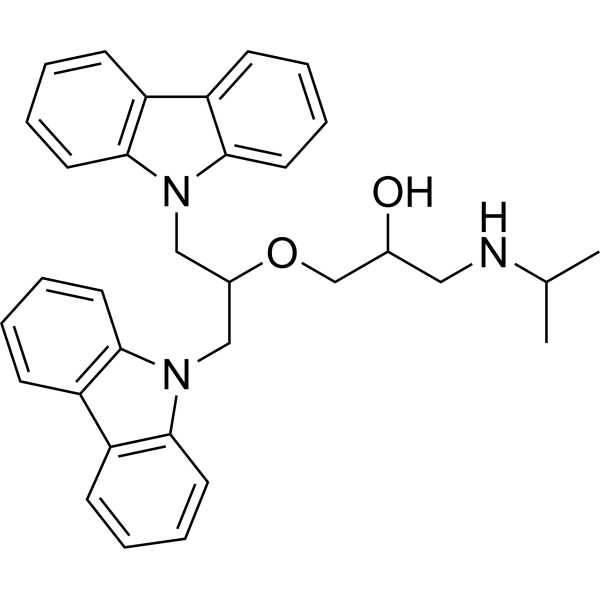 0 ImagesDC_517 is a DNA methyltransferase 1 (DNMT1) inhibitor, with an IC50 and a Kd of 1.7 μM and 0.91 μM, respectively.
-
Psammaplin A
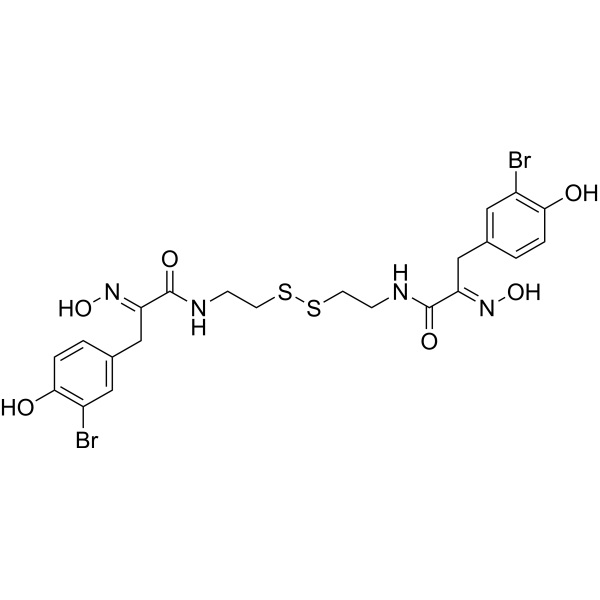 0 ImagesCat. No.: HY-N2150CAS No.: 110659-91-1Psammaplin A is a marine metabolite. Psammaplin A is a selective HDAC1 (IC50: 45 nM), DNA methyltransferases (IC50: 18.6 nM) and aminopeptidase N (APN) (IC50: 18 μM) inhibitor. Psammaplin A also inhibits DNA topoisomerase and farnesyl protein transferase. Psammaplin A is a PPARγ activator and induces apoptosis. Psammaplin A has antitumor and anti-inflammatory activities. Psammaplin A has antibacterial activity against Gram-positive bacteria and inhibits DNA synthesis and DNA gyrase activity. Psammaplin A inhibits angiogenesis.
-
(Rac)-GSK-3484862
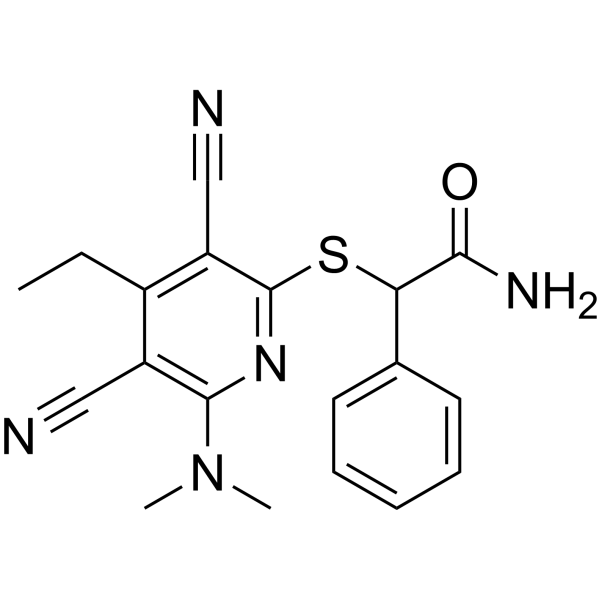 0 ImagesSynonyms: GSK3482364(Rac)-GSK-3484862 (GSK3482364) is a selective, orally active, reversible DNA methyltransferase 1 (DNMT1) inhibitor with an IC50 of 0.4 μM. (Rac)-GSK-3484862 inhibits the methyltransferase activity of DNMT1 independently of DNA incorporation, reduces global DNA methylation levels, and relieves the transcriptional repression of HBG1 and HBG2 genes. (Rac)-GSK-3484862 increases fetal hemoglobin levels and the proportion of red blood cells expressing fetal hemoglobin in erythroid progenitor cells and a transgenic mouse model of sickle cell disease. (Rac)-GSK-3484862 can be used in studies related to sickle cell disease.
-
SW155246
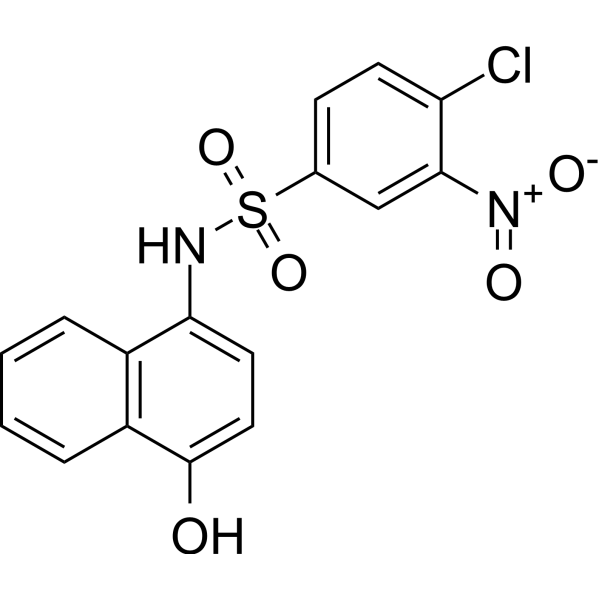 0 ImagesSW155246 is a DNA methyltransferase (DNMT1) selective inhibitor with IC50s of 1.2 and 38 μM for hDNMT1 and mDNMT3A, respectively. SW155246 can be used for the research of cancer and other diseases.
-
6-Thioguanine (Standard)
 0 ImagesSynonyms: Thioguanine (Standard); 2-Amino-6-purinethiol (Standard)6-Thioguanine (Standard) is the analytical standard of 6-Thioguanine. This product is intended for research and analytical applications. 6-Thioguanine (Thioguanine; 2-Amino-6-purinethiol) is an anti-leukemia and immunosuppressant agent, acts as an inhibitor of SARS and MERS coronavirus papain-like proteases (PLpros) and also potently inhibits USP2 activity, with IC50s of 25 μM and 40 μM for Plpros and recombinant human USP2, respectively.
-
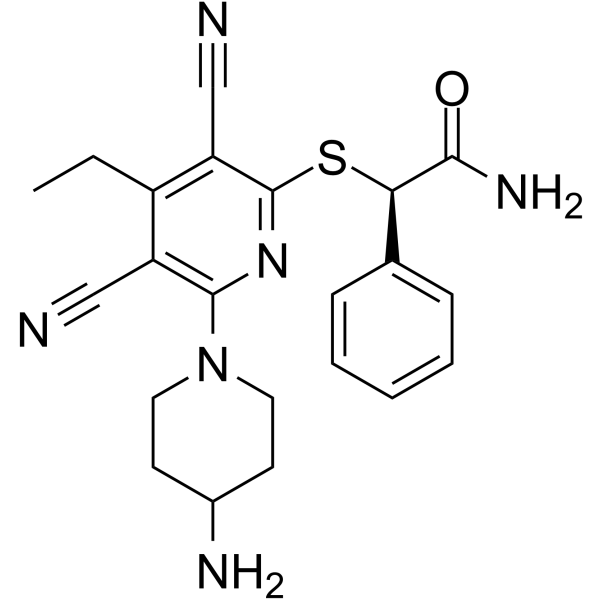
GSK3735967
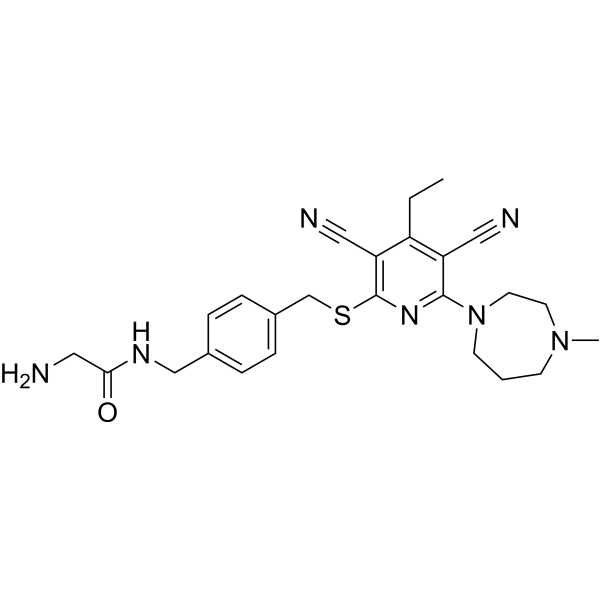 0 ImagesGSK3735967 is an selective, reversible, non-nucleoside inhibitor of DNMT1 with an IC50 value of 40 nM. GSK3735967 contains a planar dicyanopyridine core that can specifically embed DNMT1 bound hemimethylated CpG dinucleotides. GSK3735967 has three binding sites, one of which can bind to histone H4K20me3.
-
O6BTG-octylglucoside
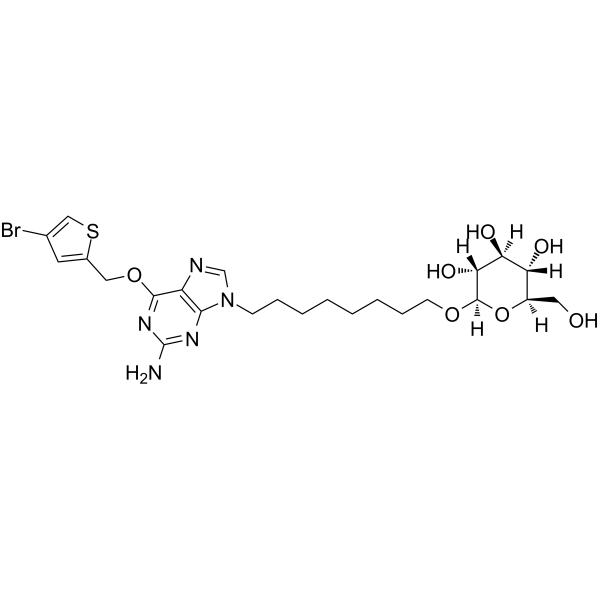 0 ImagesCat. No.: HY-13057CAS No.: 382607-78-5Synonyms: Glucose-conjugated MGMT inhibitorO6BTG-octylglucoside is a potent O6-methylguanine-DNAmethyl-transferase (MGMT) inhibitor, with IC50s of 32 nM in vitro (cell extracts) and 10 nM in HeLa S3 cells.
-
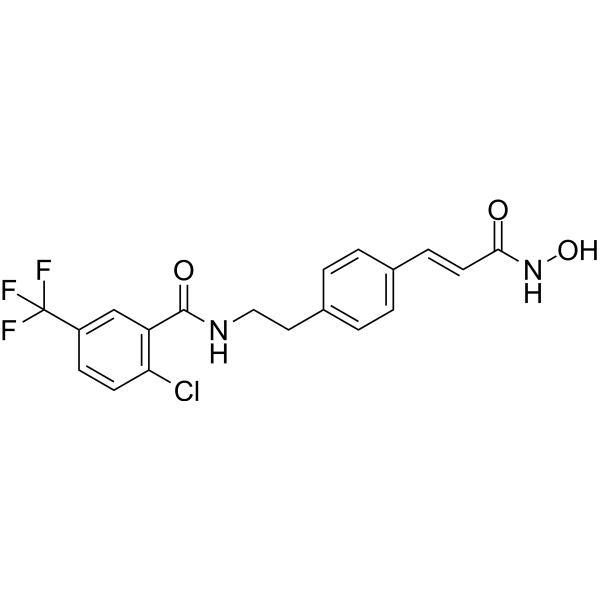
RSC133
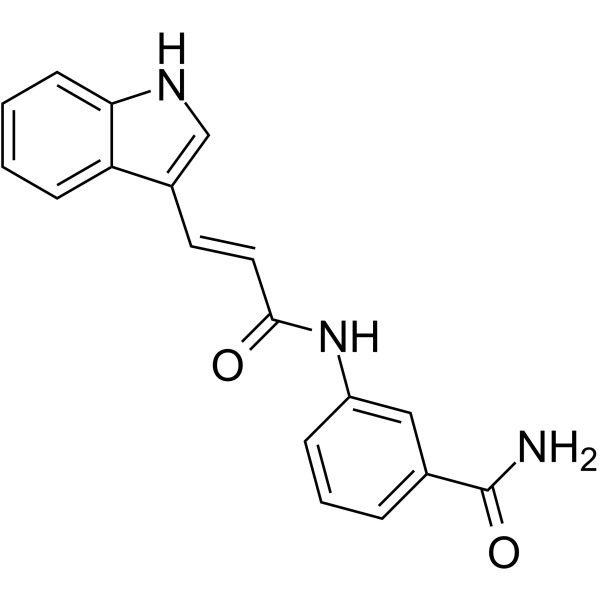 0 ImagesRSC133 is a dual inhibitor of DNA methyltransferase 1 and histone deacetylase 1 inhibitor. RSC133 promotes cell proliferation, up-regulates H3K9 histone acetylation, down-regulates p53, p21, p16/INK4A, and ablates pro-senescence phenotypes.
-
Levetiracetam (Standard)
 0 ImagesSynonyms: UCB L059 (Standard)Levetiracetam (Standard) is the analytical standard of Levetiracetam. This product is intended for research and analytical applications. Levetiracetam, an antiepileptic agent, binds the synaptic vesicle protein SV2A. Levetiracetam enhances Temozolomide effect on glioblastoma stem cell proliferation and apoptosis. Levetiracetam modulates HDAC levels ultimately silencing MGMT, thus increasing Temozolomide effectiveness. A chemosensitizer agent.
-
Arazine
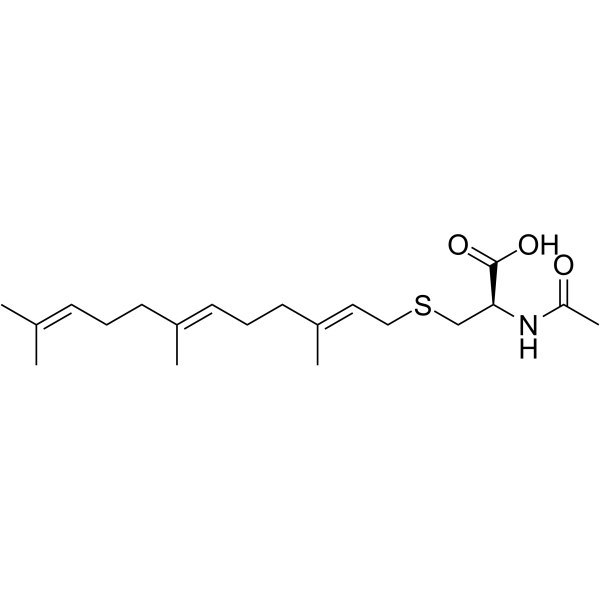 0 ImagesSynonyms: N-Acetyl-S-farnesyl-L-cysteineArazine (N-Acetyl-S-farnesyl-L-cysteine) is a cell-permeable modulator of G protein and G-protein coupled receptor signaling. Arazine can be a a substrate for isoprenylcysteine methyltransferase by competing with prenylated G protein or its receptors site.
-
CBHcy
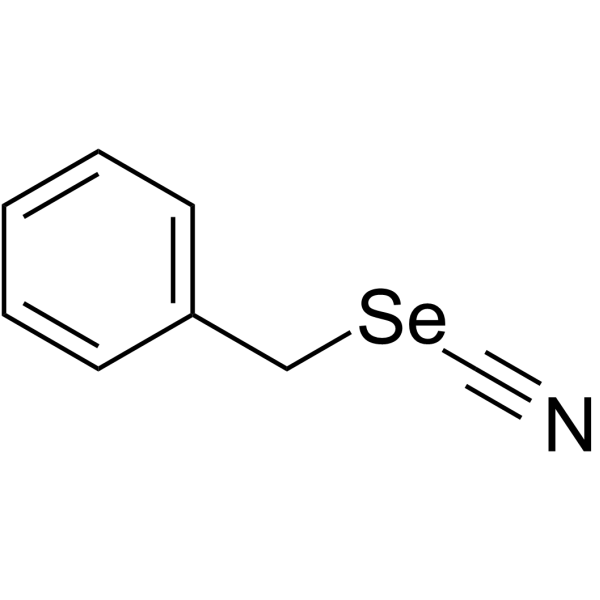
 0 ImagesCBHcy is an inhibitor for betaine-homocysteine S-methyltransferase (BGMT), with an IC50 of 0.09 μM. CBHcy upregulates the plasma total homocysteine and causes transient hyperhomocysteinemia in mice model.
-
AA-CW236
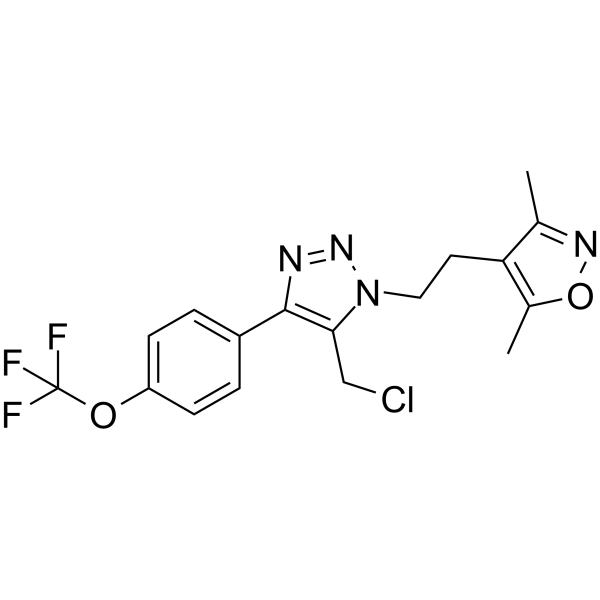 0 ImagesAA-CW236 is a MGMT (O6-methylguanine DNA methyltransferase) inhibitor. AA-CW236 targets MGMT active site Cys145 for covalent modification.
-
(S)-GSK-3685032
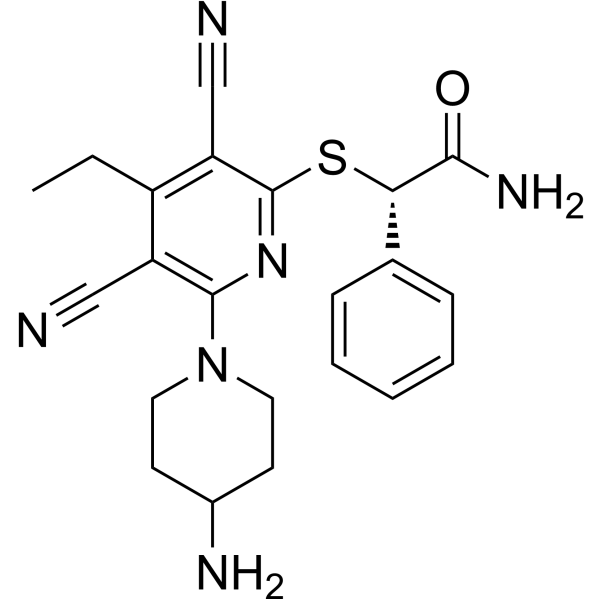 0 Images(S)-GSK-3685032 is the isomer of GSK-3685032 (HY-139664), and can be used as an experimental control. GSK-3685032 is a non-time-dependent, noncovalently, first-in-class reversible DNMT1-selective inhibitor, with an IC50 of 0.036 μM. GSK-3685032 induces robust loss of DNA methylation, transcriptional activation, and cancer cell growth inhibition.
-
MS9024
 0 ImagesMS9024 is a selective DNMT1 Molecular glue degrader with a DC50 of 35 nM. MS9024 degrades DNMT1 in a concentration-, time- and proteasome-dependent manner without altering DNMT1 transcription. MS9024 mediates degradation via HECT E3 ligase and/or UHRF1, but not via lysosomes or Cullin RING E3 ligase. MS9024 can be used in the research of colorectal cancer, breast cancer and non-small cell lung cancer.
-
Hydralazine-d5 (hydrochloride)
 0 ImagesHydralazine-d5 (hydrochloride) is deuterium-labeled Hydralazine (hydrochloride) (HY-B0464). Hydralazine hydrochloride is an orally active, blood-brain barrier-permeable DNA methyltransferase inhibitor with vasodilatory, arterial smooth muscle relaxant and hypotensive activities. Hydralazine hydrochloride reactivates silenced tumor suppressor genes via mediating DNA demethylation, while exerting neuroprotective and anti-inflammatory properties. Hydralazine hydrochloride inhibits NOS-2 (iNOS) and COX-2, and reduces the production of NO and PGEE2; meanwhile, Hydralazine hydrochloride scavenges reactive oxygen species and inhibits macrophage activation. Hydralazine hydrochloride alleviates motor dysfunction, neuropathic inflammatory pain, and formalin-induced somatic and emotional pain responses. In addition, Hydralazine hydrochloride directly induces DNA strand breaks and sister chromatid exchange, exhibiting certain mutagenic characteristics. Hydralazine hydrochloride has been widely used in studies on hypertension, various cancers (such as cervical cancer, leukemia), spinal cord injury and the mechanisms of inflammatory pain.
-
DNMT2-IN-2
 0 ImagesCat. No.: HY-175594Purity: 99.13%DNMT2-IN-2 is a selective DNA methyltransferase 2 (DNMT2) inhibitor with a KD value of 3.04 μM. DNMT2-IN-2 targets to a cryptic allosteric binding site of DNMT2. DNMT2-IN-2 reduces m5C levels in MOLM-13 tRNA and synergizes with Doxorubicin (HY-15142A) to impair cell viability. DNMT2-IN-2 can be used for cancer research, such as cervical cancer and leukemia.
-
Levetiracetam-d6 (ring-d6)
 0 ImagesSynonyms: UCB L059-d6 (ring-d6)Levetiracetam-d6 (ring-d6) can be used as internal standard for the determination of Levetiracetam (HY-B0106) content in whole blood.




